Pages

Friday, 18 April 2014

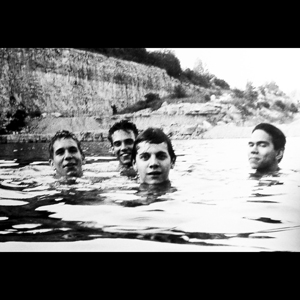
Album #106: Slint - Spiderland


Slint
Spiderland (1991)

It is no surprise that most people (myself included) have never heard of Slint. Operating in the fringes of the edges of the shadows of underground music in the Louisville scene, the band released just two albums, the second of which is today's review. Spiderland was released in 1991, by which time the band had dissolved. When it was released, in the words of their label's founder, "nobody cared" about it. It was only in the years subsequent to its release, when bands like Mogwai, Godspeed You! Black Emperor and Explosions In The Sky entered the musical consciousness that the band's (and the album's) true relevance was revealed.

For it's arguable that Spiderland invented the post-rock sound. This is the prototype post-rock record that set a clear marker for all those who would follow. The number of bands and indie musicians who have subsequently revealed this album to be one of their favourites, or one of their most influential, speaks volumes about its importance to the development of an entire musical genre.

The Album

Many of the hallmarks of post-rock music can be found in Spiderland's sparse, shifting arrangements, from noodling, wandering guitar lines to an atonal, almost disaffected approach to vocals. In my review of Tortoise's Millions Now Living Will Never Die, I remember being struck by the whole-band approach of playing music - no flashy solos or wanky musicianship, just a collective sense of creating a complete musical work. This is also found here on Spiderland generally, though there are some 'solo' sections (they are unobtrusive, however.) Additionally, the drumming of Britt Walford displays many dexterous flourishes crossed with a fair bit of power, and the most obtrusive single instrument here is probably his, although it doesn't take away from that 'whole band' feel.

If I were to be critical of one thing, it's the wandering narrative lyrics and the whisper/scream/non-melodic vocals. While those lyrics do convey the album's central theme of alienation fairly well, they tend to veer towards the 'clumsy poetry' end of the spectrum. As for the vocals, well if I were going to be cruel, I'd say that those who used Spiderland as a template for post-rock decided that vocals were completely unnecessary if they were going to be this grating. There are a fleeting handful of moments where the vocals enhance the music (more on that shortly) but on the whole I found it annoying.

Thankfully the music is more than strong enough to stand on its own. Opening track Breadcrumb Trail sets the scene for the album beautifully. Shifting time signatures, discordant, uncomfortable guitar noodling and chord strumming are accompanied by a low whispered spoken word vocal. Yet it's when the distorted guitars kick in that the song really takes flight - accompanied this time by a throaty, screamed warble, and when the warble goes away we are treated to a Sonic Youth-style post-rock angry guitar noise that's damned powerful. Nosferatu Man continues the post-hardcore FUCK YOU MUSIC theme, all discordant guitar chaos, squealing feedback and manic, powerful drumming. 

The next few songs though take a slightly different turn. Don, Aman is the first of three utterly bleak and miserable tunes. Repetitive clean guitar notes and more mumbled vocals create an atmosphere of futility; it's 'what's the fucking point' set to music and it really, really works. The guitars briefly fire up but the song's mood never shifts. Following that is Washer, which was the only track I found a little bit of a slog to get through, although it again conveys a sense of hopeless depression superbly through its moody post-rock soundscape of snail-slow tempo, insistent ride cymbal and disinterested picked guitar noodling. I was ready to write it off as eight minutes of boring until there's a sudden explosion of sound, and the whole band switches into overdrive. Distorted guitars drone away, there's an electric (in atmosphere) noise solo, and Walford decides to hit EVERYTHING on his kit as hard as possible, playing incredibly aggressively yet with terrific timing. For a few brief moments it manages to be the most energising moment on the record. Part 3 of Bleak and Miserable Town is the somewhat pretty For Dinner, with its sad ambient tone, subtle drums and droning, repetitive guitars.

The closing track though reminds you that Slint could do shifting dynamics superbly. Good Morning, Captain is, for the most part, more of the same; post-rock sounds with mumbled wanky vocals. However, there are some awesome elements in those post-rock sounds. Firstly, there's the jarring, discordant chord progressions and melodies played by David Pajo and Brian McMahan on guitar. Secondly, there's the tight, sharp yet extraordinarily fluid drumwork of Britt Walford. Yet the song's denouement is work the price of admission alone, as all of the alienation, disaffectation and bleakness of the album culminates in a sort of post-rock primal scream. The riffs are angry, the drumming explosive and unrestrained, and even those annoying vocals turn into a scream that seems to sum up the themes perfectly. It's sound and fury signifying pain and disconnection from the world and it's amazing.

The Verdict

Do I think it's some grand, epic masterpiece that stands as one of the greatest albums ever released? Well, no, I don't. It's good (sometimes it's really good) but the non-impressive vocal/lyric combos still mark it as lacking polish, and like all post-rock albums it can be a really tough listen.
But.

In terms of its importance to post-rock, its commitment to an artistic ideal and the sheer influence it has had on so many musicians, Spiderland deserves all the praise it gets. Even the album cover merely confirms the bleak hopelessness of the music within, and the aesthetic has been executed brilliantly. 

It speaks volumes that today, 23 years after its release, the band are drawing an audience to witness the album performed live (following a reunion in 2005), and even if the songs don't really lend themselves to a live setting, people are wanting to witness this for themselves and give the album the popular acclaim it deserves.

My rating: ****

Standout Tracks

Good Morning, Captain
Breadcrumb Trail
Nosferatu Man

Coming up, a defining solo release from a member of the Wu-Tang Clan.

Thursday, 17 April 2014

Album #105: Opeth - Deliverance


Opeth
Deliverance (2002)

Scandinavia has long been a massive scene in the world of metal, arguably dominating the more abrasively extreme subgenres (death, black etc etc.) Swedish metallers Opeth, led by the indomitable Mikael Akerfeldt, have long been one of Sweden's finest metal exponents, combining elements of death metal with a more progressive bent.

In 2002, the group recorded two simultaneous albums, Damnation and Deliverance. The former (released second) focused more on the band's softer progressive side, while the latter was heavier and more in keeping with the band's aggressive progressive death style. Opeth are a band I have heard great things about, so grabbing an album that best represents their style as a starting point made sense.

I wasn't prepared for what lay within though.

The Album

Deliverance is dynamic, fluctuating, moody, ethereal, heavy, demonic, exciting and sorrowful all at once. As a collective, the strength of Opeth is in creating long, sprawling pieces of music that explore many peaks and troughs; shifts between aggressive death metal sections and acoustically-driven 'prog' sections are plentiful, and when the band shifts they shift everything...even the vocals.

As musicians, all four members are highly skilled. Akerfeldt is an extraordinary songwriter, vocalist and guitarist, shifting seamlessly from deathly growls to a clean, sweet vocal; he shares lead guitar duties here with Peter Lindgren, and because it's hard to tell who is playing which solo, it's easier just to say that they're both damn good. Drummer Martin Lopez plays double kick passages that sound terrific but are, to be fair, the minimum technical expectation for a death metal drummer...but he's clean, crisp and dynamic around the kit.

As for the songs on the album, well there's only six in its hour-long running time...and one of those, the beautiful, jazzy acoustic/electric only tune For Absent Friends contributes all of 2.40 of those sixty minutes. The other tracks are all in excess of ten minutes, and not a single one of them could possibly be boring. They all feature those elements described in the first paragraph; some fucking insane death metal passages (though even they are combined with more melodic guitar riffs and the very progressive keyboard flourishes, provided by prog maestro Steven Wilson of Porcupine Tree), some gentle, ethereal acoustic passages and a shitload of switches inbetween. 

While I thought all the tracks were great, the standouts for mine were Master's Apprentices and A Fair Judgment, and both for different reasons. Master's Apprentices spends most of the first five or six minutes being heavy as shit, possibly the heaviest track on the album. Akerfeldt sounds like he is being spawned in Hell itself, the riffs and drums are so heavy you feel them in the pit of your stomach....on an album with many heavy moments it takes something special to stand out as the heaviest moment. Then, suddenly, it switches; lush, rich vocal harmonies, acoustic guitars and gentle keys signal a purely progressive rock approach. This lures you in for a few minutes until Akerfeldt returns with his THROAT OF SATAN, and then somehow the riffs become even heavier and faster. It's just so enthralling.

A Fair Judgment, on the other hand, is mostly those purer prog rock passages. A solo piano plays a beautiful, yet mournful, piece for close to two minutes, before giving way to the group's standard prog metal massiveness. We then move to a picked acoustic guitar solo, which continues while being joined by the rest of the band (more amazing vocal harmonies here, and a guitar solo that's Knopfleresque), but then, not content with you being comfortable, Opeth destroy all that with a deliberate, slowly crawling metal riff section, which plays the song out. Again, there's so much going on, that you just can't stop listening...which pretty much sums up why the album is so interesting to listen to.

The Verdict

Deliverance is a damn fine metal album by a damn fine metal band. I have a funny feeling that Opeth will be one group I look more into - they combine progressive rock, which I love, with the savagery and technical prowess of metal, which I am slowly growing to love. Although the Cookie Monster vocals put me off occasionally, I was at the point here where the music was so fantastic that I found myself not caring.

Definitely worth a listen.

My rating: **** 

Standout Tracks

Master's Apprentices
A Fair Judgment
By The Pain I See In Others

Tomorrow, an album by a band called Slint. They play math rock. I don't know what that is, but I'm gonna find out.

Tuesday, 15 April 2014

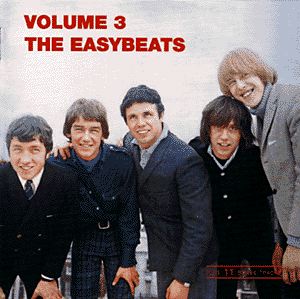
Album #104: The Easybeats - Volume 3


The Easybeats
Volume 3 (1966)

The Easybeats are the prototype Australian rock band. Every pub rock group that followed in their footsteps can be traced back to the British-inspired rock sounds of these five Australian lads (well, two were Dutch, two were English and one was a Scotsman....) Of those lads, two (George Young and Harry Vanda) were to play a critical, pivotal role in the development, production and popularity of some of Australia's biggest acts, including The Angels, John Paul Young and AC/DC (with George being the elder brother of Acca Dacca lynchpins Angus and Malcolm Young), while lead singer Stevie Wright went on to write and perform the sprawling opus Evie.

The group are better known for a string of hits, including She's So Fine, Friday On My Mind, I'll Make You Happy and Sorry. However, such was the group's popularity in Australia, they also released several high-charting albums. Volume 3 was the third of these (I know, shock horror with that name). I'm keen to see if the group had anything outside of the big hits.

The Album

Basically, imagine every cliche of early to mid 60s pop/rock rolled into one neat little package, and you've got Volume 3. It never, ever threatens to be anything more than a bog-standard collection of short pop tunes designed to capitalise on the band's status as teen heartthrobs. I almost feel dirty saying that about such a legendary band, almost as though I'm dismissing them. I don't really want to dismiss them per se, but (at least on Volume 3) if you strip away the singles then there's not really much to get excited about.

Opening track (and well known single) Sorry is by far and away the most outstanding track here. With a chuggy riff that stays in the brain long after the song is finished, and with vocalist Stevie Wright turning in a powerhouse performance, it's definitely a superb bit of pop songcraft. You Said That is influenced by mod sounds, and shows off the group's ability to create lush vocal harmonies, and the plinking one note piano line adds a nice Kinksesque touch. Today features a twangy, solid lead break from guitarist Harry Vanda within a solid pop rock tune, and Say You Want Me is a pleasant little Beatles clone, all vocal harmony and unobtrusive musical arrangement.

Beyond that though is a collection of uninspired, by-the-numbers pop rock that might have been popular in the 1960s, but looking at it today it comes off as tired and bland. What's worse is that, Vanda's guitar playing aside, there isn't anything that threatens to lift these album tracks beyond the mundane - even The Beatles and The Stones had musicianship, vocal brilliance or even clever turns of a lyrical phrase to fall back on. The songs here simply don't have that.

The Verdict

As a singles band, The Easybeats kicked much arse. As an album group, they leave a great deal to be desired, if Volume 3 is any indication. Its biggest crime is that it is, a few tracks aside, utterly boring, and a chore to listen to.

Get Sorry, avoid the rest.

My rating: * and a half

Standout Tracks

Sorry
Today

Tomorrow, a behemoth of a metal album from a kickass Swedish outfit, who have pretty much covered every subgenre of metal during their career.


Sunday, 13 April 2014

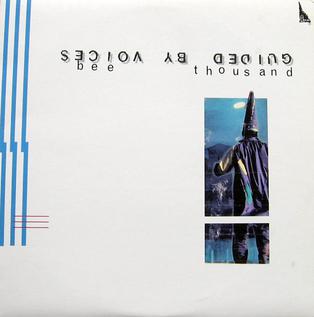
Album #103 : Guided By Voices - Bee Thousand


Guided By Voices
Bee Thousand (1994)

It's no surprise if you've never heard of Guided By Voices. If not for a good friend of mine, I'd never have heard of them either, even though bandleader Robert Pollard is considered one of the most prolific songwriters in music today (at last count, he has 1 669 songwriting credits). They have never been what would be considered 'commercially successful', however the band (and Pollard) are considered to be at the vanguard of lo-fi indie rock.

The album I've been requested to review (by said good friend) is 1994's Bee Thousand, which, according to some research, was thought by a number of critics to be one of the decade's defining indie releases (for example, it was named as the Best Indie-Rock Album of All Time by Amazon.com, while the actually respectable Pitchfork named it the tenth best album of the 90s.) So I'm really looking forward to it, not just because it is so highly recommended but because it represents my first dipping of the toe into the waters of GBV.

The Album

It's said that Pollard was following the 'four Ps' of rock here - punk, pop, progressive and psychedelia. I can honestly say that if this was his intention, he's fucking nailed it. Punk and psychedelic flourishes abound on Bee Thousand, although the overriding influence is that of 1960s British rock, pop and 'garage' music. The lo-fi quality of the recording merely adds to the 60s flavour, with the rawness and inconsistent mix quality adding to the feeling that what we're actually listening to are a shitload of lost demos from some forgotten British band of the mid to late 60s.

Although it's lo-fi, I must say that Pollard has coaxed out a magnificently lush sound at times, particularly in the harmonies that are present in songs such as Hardcore UFO's, The Goldheart Mountaintop Queen Directory and Echos Myron. Additionally, the guitars sound rich, yet abrasive for the most part...only occasionally are the mixes far too trebly, which leaves the songs sounding rather hollow.

When GBV go British Invasion here, it calls to mind some of British music's leading lights. The Goldheart Mountaintop Queen Directory is the sort of drug-addled psychedelic folk you could see The Kinks doing in their concept album phase, while the superb Tractor Rape Chain features a vocal from Pollard that could so easily have been laid down by Steve Marriott of the Small Faces. Echos Myron takes elements of the early Mod days of The Who, and Queen of Cans and Jars could have been an early psychedelic Status Quo demo.

Speaking of psychedelia, there's plenty of that to be found here as well. Hot Freaks delivers a trippy experience, helped by Pollard's vocal delivery that gently apes David Bowie on The Jean Genie. Peep-Hole is Syd Barrett reincarnate, right down to the lyrical content. The pick of the bunch is A Big Fan Of The Pigpen, which opens with a disjointed acoustic opening - the guitar sounds horribly out of tune, while the vocal is distant, as though it were recorded in a toilet. However, it quickly gives way to an electric guitar-driven psychedelic festival of sound...and it's glorious.

The punk ethos is best reflected in the tracks Her Psychology Today and Gold Star For Robot Boy, though don't expect to find the 90s skate punk/pop punk vibe here; Pollard instead opts for the anarchic barely instrumentally competent aesthetic of 70s punk. Both are really good tracks but the latter shades it for me; it burns with a real fire, despite the trebly mix, and Pollard's vocal is outstanding. The former is unusual in that the bass and drums are far more prominent than on other tracks, and it manages to blend punk sounds with the insanity of noise experiments such as Revolution 9, though its effect is somewhat diluted by the distorted acoustic guitar section at the song's close. Smothered In Hugs has hints of punk (mainly in the sizzling, driving riff) but its Dylanesque vocal stylings mark it as having more in common with 60s garage rock. It's one of the album's most outstanding cuts, consistently good from start to finish.

As is the pure pop of I Am A Scientist. If this song were cleaned up it would be perfect for radio - the melody is catchy and pleasant to the ear, the guitars sound less abrasive and it uses a fairly standard pop structure. It's a cracking little song that shows Pollard to be more than just indie/punk/psychedelia icon. Ester's Day also showcases pop sensibilities (though it was written by multi-instrumentalist Tobin Sprout), melding the lush harmonies of Simon and Garfunkel with the guitar pop stylings of The Hollies.

I realise that this makes Pollard (and GBV) sound like massive style thieves. The truth is, they aren't - the production and performance are unique, and the band's use of VERY short songs (the twenty songs on this album run for 37 minutes all up) mark them as distinctly their own men...however aesthetically, they call to mind so many influences of the past that it's impossible not to notice. What matters is how you use those influences, and GBV have used them to craft an album that is distinctly theirs.

The Verdict

Basically, Bee Thousand really is the bee's knees (I'm sorry.) It stands as a testament to what musicians can achieve with limited equipment. You don't need multi-million dollar studios or expensive recording equipment - all you need is a four track cassette recorder, some microphones, a place to record and some songs. 

Additionally, when you have limited resources, and you're recording a lo-fi album, it's really the songs that need to be strong, to give the listener a reason to listen...and most of the album's 20 tracks are superb, if short. It's tough for me to recommend - many would find the poor quality of the recordings too offputting, or the short songs really annoying...but if you're game, and you want to give it a go, I think you'll be pleasantly surprised by just how good it is.

My rating: *****

Standout Tracks

I Am A Scientist
Smothered In Hugs
Tractor Rape Chain
A Big Fan Of The Pigpen
Queen Of Cans And Jars

Tomorrow, we go from '90s indie bands using 60s garage rock influences....to an actual 60s garage rock/pop band!

Album #102 : Kaiser Chiefs - Employment


Kaiser Chiefs
Employment (2005)

Leeds five piece Kaiser Chiefs (named for the South African club of former Leeds United skipper Lucas Radebe) exploded onto the British music scene in early 2005 with their debut album, Employment. Prior to that, the group had attracted great attention from A & R people for their catchy pop sensibilities tied to a sound rooted in post-punk, new wave and Britpop. Success for the group seemed a matter of time.

Though I doubt even Ricky Wilson, who famously once said he would "wank a tramp" to ensure musical success, would have expected this album to shift in the order of three million units. 

When it was released I remember being very impressed by the quintessentially British nature of the music and lyrics, and thinking that the band were destined for great things. Now, whether or not they've gone on with that is debatable...but today I thought it would be good to take a look back at this album and see if it really is that good.

The Album

Full of bright, catchy guitar pop (and the occasional trip into edgier territory), Employment really is a typical 'good' debut - mostly good tracks but occasionally inconsistent. At its best, it's full of singy 'lad' choruses and plenty of 'na-na-na' moments, perfect for drunken incoherent rambling chanty singalongs. Hooky guitar riffs sometimes mingle with keyboard lines and it's underpinned by a sound rhythm section. At its worst, fairly trite lyrics are interspersed with grating musical approaches (though even some of the better songs contain dodgy lyrics.)

The band's ability, identified in their early years, to write catchy guitar pop comes to the fore in the album's opening three songs. Everyday I Love You Less And Less takes some forced rhymes and fairly bitter themes, combines them with a simple keyboard riff and jangly distorted guitar and produces a toe-tapping pop tune. The pick of the three is I Predict A Riot, with its savvy and accurate depictions of a standard Saturday night out in Leeds - drunken twats spoiling for a rumble, overzealous policing, girls out on the pull - married to a dark indie/punk riff. The third track, Modern Way, is the most radio-friendly of the three, with a lush, inoffensive-sounding chorus and comparatively quiet verse. All three also contain those big 'lad singalong' choruses, as does the overrated Oh My God (which, lyrically, makes very little sense, but it does provide an acceptable attempt at an anthemic Oasisesque monster chorus.)

The group turns their attention to more raucous indie on the tracks Na Na Na Na Naa (which takes the na-na-na chorus to its questionable zenith, even if it is a fun, catchy song) and Saturday Night (which is resplendent with a guest appearance by Graham Coxon's motorbike). There's more inoffensive but listenable pop tunes in You Can Have It All, built around a whiny keyboard riff, and the rather boring Born To Be A Dancer and Time Honoured Tradition.

There are also some pleasant diversions away from pure guitar pop. There's the Beach Boys wannabe schtick of Caroline, Yes (and yes, the title is based on the Beach Boys' Caroline, No), as the band layer multiple overdubbed vocals to create a wall of sound in the choruses, and there's also a bit of a hidden gem in What Did I Ever Give You, featuring a distinctive organ opening, a slow, contemplative tempo and an equally contemplative lyric about acknowledging one's bastardry towards a loved one. 

The Verdict

Employment is indeed a good, catchy guitar pop album. Its influences merely add flavour to the band's favoured pop aesthetic, rather than dominating the album's sound entirely. I'd still argue this is their best album, even if it is rather inconsistent, and I'm not sure they've ever really lived up to the promise that Employment showed....but nonetheless, it's an album worth giving a spin.

Just don't expect your musical world to be blown away. It is, after all, just a standard pop album with poor lyrics. 

My rating: ***

Standout Tracks

I Predict A Riot
What Did I Ever Give You
Everyday I Love You Less And Less

Tomorrow, a real genuine lo-fi release, and another request met!

Saturday, 12 April 2014

Album #101 : Millencolin - Pennybridge Pioneers


Millencolin
Pennybridge Pioneers (2000)

My first exposure to Swedish punk funsters Millencolin came during a fairly typical late teens/early 20s Friday night ritual - copious consumption of beverages at somebody's house (typically a good mate's wetland area, which was resplendent with outdoor covered area). Punk and ska would typically fill the air, and Millencolin's album For Monkeys (not to mention their compilation The Melancholy Collection) would frequently be played. Now modern punk has never really been my thing, but I remember being won over by the highly melodic nature of their music, as well as the sheer catchy fun of it all.

The band have always had a big following in Australia, but with their fourth album, Pennybridge Pioneers, they really hit the big time. Their first album to go gold anywhere, the album established Millencolin as one of the world's most popular punk groups (even if it had taken a deviation from their established skate punk sound to do so.)

The Album

It may not be the frenzied skate punk tinged with hints of 2-Tone ska of their earlier efforts, but what the band have done on Pennybridge Pioneers is replace the frenzy with maturity. A number of the songs are slower and more fleshed out, sonically, and there's even a heartfelt ballad at the end of the album. However, despite these mild changes, the songs are still unmistakably Millencolin, full of the vim and vigour that the group so typically convey in their work.

There's also a refreshing simplicity to the band's sound - there isn't a great reliance on studio trickery or overdubbing instruments (though there are a couple of tracks with some rather prominent multi-tracked harmony backing vocals), it is pretty much as you'd get live. All of the songs (bar one) are driven by powerful, catchy riffs, and there's even some fleeting, simple solos to flesh out a number of the tracks. While that makes it difficult to really deconstruct the songs themselves from a musical point of view, it's also part of the band's charm, and it gives you the sense that Millencolin are about the whole package of music and lyrics together.

Lyrically, the songs on Pennybridge Pioneers deal with a wide array of themes, and in my view it's where the album really shines. There are songs that reflect on the bullshit high school experience of the 'social outcast' (No Cigar, The Ballad), reflective autobiographical songs from chief songwriter Nikola Sarcevic (Devil Me, Right About Now, Highway Donkey), songs about love (Hellman), loss (A Ten) and fear of leaving the familiar (Duckpond)....there's even a song written by Sarcevic about his motorbike (Fox). Impressively, Sarcevic is adept at turning the right phrase to suit the song, whether it's whimsy, humour, tenderness or anger required.

To the band's credit, the music often matches the themes and feelings of the lyrics. Fox uses an uptempo, skippy riff structure to convey a sense of fun and freedom; The Ballad, unsurprisingly, starts off as an acoustically-driven, emotionally evocative song, and this evocative feeling is not lost even when the band kick in fully; and the materialistic Material Boy is accompanied by a carefree skate punk style aesthetic. It's even more evidence that this is where the group's material really showed that growing musical maturity.

The Verdict

I've found it hard to write this review. Pennybridge Pioneers is just such an even and likable album that it's difficult to really break down. Additionally, the sheer fun of Millencolin's sound means that you don't bother thinking too deeply about the songs, you simply enjoy them.

Perhaps that is the biggest praise I can give this album. It's just a whole heap of fun from start to finish. If you don't have Millencolin in your collection, I can thoroughly recommend starting here, then moving backwards (before moving forwards again). They are one punk band that I think everybody can (and should) enjoy.

My rating: ****

Standout Tracks

Tough to choose just three, but I'll go for:

Fox
Devil Me
Penguins and Polarbears

Tomorrow, it's an English guitar pop debut from a band that never hit such lofty heights again (well, they did, albeit briefly, with one song from their sophomore release).

Friday, 11 April 2014

Album #100 : Florence and the Machine - Lungs


Florence and the Machine
Lungs (2009)

Songbird Florence Welch burst onto the music scene back in 2008 with a number of grandiose singles. The music world was captivated by her powerful, soulful voice, a throwback to an older time. Teaming up with long time collaborator Isabella Summers (the 'Machine') and a litany of musicians and producers, Welch produced Lungs, her debut studio album (which included the aforementioned catchy sing

My impressions of the album were unfortunately tainted by the radio bombardment of the singles. The song about the 'dog days' was oversaturated to the point of frustration. However, given Welch's undeniable talent, I felt it was only fair to give the album a fresh listen through objective ears.

The Album

The first thing that jumps out about Lungs is just how lush the whole thing sounds. A myriad of instruments are utilised throughout the album; everything from 'traditional' rock instruments (drums, keys, piano, guitar) to less traditional ones (the harp, for instance.) 

The most prominent instrument however is the drums. Describing them as 'booming' seems like it is not going far enough - they dominate much of the soundscape, which gives the album a huge, epic quality. It does also, unfortunately, mean that sometimes the other instruments are lost.

Then, of course, there's Florence Welch herself. Basically, believe the hype. At times she evokes memories of 60s soul siren Dusty Springfield, yet at no time does Welch ape or copy anyone else; she has her own distinct style, and sounds equally powerful when singing those crashingly explosive sections or more subtle, quiet parts. 

Of the tracks on the album, some of the singles are sterling efforts, while others for mine fall flat. Dog Days Are Over might have been oversaturated to the point of frustration but its constant shifts from quiet to HUGE are tremendous. It rumbles with a booming indie feel while Welch's soul-inflected vocal soars above the instrumental din. It's a terrific bloody song. Almost as terrific is Rabbit Heart (Raise It Up), where a multi-tracked choir of Welches create a wall of vocal magnificence. It also features a highly catchy and singable (yet quite complex in terms of its soundscape) chorus. Drumming Song is also of note - its superb lyrics painting a picture of burning, passionate love, while (quite fittingly) the drum and percussion work is first rate.

Other quality tracks are the soul throwback I'm Not Calling You A Liar, the mildly disturbing but feisty Girl With One Eye (where Welch knocks a fiery vocal out of the park) and the rumbling, smoky indie pop of Howl. 

There were a few tracks though that didn't quite click for me. Singles Kiss With A Fist and Cosmic Love were a little bit bland, and seemed to lack the energy and power of other tracks, although the latter certainly adds weight to those critics who have compared Welch to Kate Bush. My Boy Builds Coffins was notable for its very Gothic themes, but featured a few too clever by half lyrical moments - if he's not building coffins for work or play, what's he building them for? I do feel the need to point out though that while these were probably the album's lowest points, they weren't necessarily bad songs, and in fact still had good things about them...but whereas the highlights are sprawling, high-octane tunes (not necessarily high-tempo, mind), these songs were just a bit lacklustre.

The Verdict

Lungs is a very, very good album that is enjoyable from start to finish. I quite liked the emphasis on drums and percussion, although I can certainly acknowledge how this production decision can make some songs very difficult to listen to as it drowns out the melody, leaving the heavy melodic lifting to Florence Welch. Speaking of Florence....she's a star, and deserves to be considered one of the most talented singers out there at the moment.

Definitely worth checking out.

My rating: ****

Standout Tracks

Howl
Rabbit Heart (Raise It Up)
Dog Days Are Over

Up next is an album from a long-serving collective of Swedish punksters.


Wednesday, 9 April 2014

Album #99 : Andre Rieu - And The Waltz Goes On


Andre Rieu
and his Johann Strauss Orchestra

And The Waltz Goes On (2011)

If ever there was a segment of the musical-listening populace that make Pitchfork hipsters seem like fourteen year old One Direction fans, it's classical music lovers. Ever since the rise to power of Dutch violinist Andre Rieu, the classical music world has fallen over itself desperately trying to invalidate his extraordinary success. Classical music stations refuse to play his material, and his concerts are frequently subject to snide criticisms that he is destroying the classical music concert experience.

Of course, Rieu himself does little to help this, boasting that his orchestra are SUPER GREAT AND KEWL and often attacking both his critics (stuffy musical elites) and other musicians (NOT UP TO HIS LOFTY STANDARD). In short, it seems Rieu is a wanker...but a successful wanker.

Remarkably, amongst the glut of live albums he has released (more live albums than the number of ET Atari 2600 cartridges buried in a New Mexico landfill), there have also been some studio works. This is one of them - 2011's And The Waltz Goes On. It's that album that I, with my limited knowledge of classical music, have tackled today.

I really wish I hadn't.

The Album

It's a shitload of waltzes. 

What more can I say? This album is Rieu's collection of assorted waltzes from 'around the world', that world consisting of:
  • Austria
  • Germany
  • Finland
  • France
And that's it. Sure, there's a waltz written by Rieu and his first violinist, Frank Steijns, about New Zealand but it's not a waltz from New Zealand, is it?

Anyway, to the music. One thing that Rieu and his Johann Strauss Orchestra (AHJSO) do well is bring out emotion in the music - romantic waltzes are sweet, hopeful and lingering, sadder waltzes bubble with cellos and horns, and mournful violins, while the more bombastic, grandiose works overflow with explosions of percussion. There are also some songs of note on the album, either due to being covers of non-waltz tracks or because of guests.

One of those is the album's namesake track, And The Waltz Goes On. Composed by actor and occasional dabbler in classical composition, Sir Anthony Hopkins, it contains several distinct movements, mostly being of a very sombre, depressing tone, though there is briefly a brighter movement in the middle of the song. It's a great example of sonata form, and, it must be said, one of the best pieces on the album. The French waltz, La petite valse, is bright and bubbly, containing several nice touches on the accordion for that extra French feel. The undisputed highlight however is that aforementioned 'New Zealand' waltz, Dreaming Of New Zealand, a beautiful piece (described on Rieu's website as 'dreamlike', and that's an accurate description) made absolutely stunning by Kiwi soprano Hayley Westenra's magnificent singing performance. Say what you like about Rieu but he and Steijns composed a great piece here.

The rest of the album is wall to wall waltzes (the German/Austrian ones are my favourites, all bombast and fun and classically Viennese) and really, really average covers of other songs. The version of Are You Lonesome Tonight, for instance, shows that if you strip away the vocal, what's left is a simplistic, even quite boring song. The only covers here that do a good job of the original are the theme from Swan Lake, and Music Of The Night, which is from the Phantom of the Opera soundtrack, and features a gorgeous violin solo.

Overall, it left me with the impression that it's a cash-in album; go in, record some classic waltzes, find a few new pieces and fill the rest with well-known 'popular' versions of tunes so that the oldies can go, "ooh I can't wait to hear how Andre tackles Singin' In The Rain" (the answer, by the way, is quite badly.)

The Verdict

I think the next time I look at a classical album, it'll be something that has been originally written in its entirety, not Mr Classical Man And His Orchestra Peeps Play You Other People's Work For Money. This album is dull, uninteresting and, a few original pieces aside, unoriginal.

But so long as Rieu keeps pumping out populist stuff, who cares? He's found a way to return classical musicians (well, maybe pluralising is being generous, it's pretty much just him) to the pop star status of yesteryear, and hooking heaps of people into classical sounds, even if it's not stuff like classical's own metal musician, Richard Wagner.

My rating: **

Standout Tracks

Dreaming of New Zealand (with Hayley Westenra)
And The Waltz Goes On
La petite valse

Tomorrow's album is Florence And The Machine's Lungs. As a casual Js listener I've been mighty savage on Florence and her machine, so tomorrow I'm going to give it a fresh ear and a proper listen.

Album #98 : Steve Vai - Sex & Religion


Steve Vai
Sex & Religion (1993)

Steve Vai, for those unfamiliar with his work, has made a name for himself as one of the most incredible guitarists in the world. He has compiled an incredible body of work, mostly either in other bands (most famously, as a guitarist for Frank Zappa and as part of the David Lee Roth Band) or by guesting on the work of others. He, along with his one-time teacher and fellow axe genius Joe Satriani, also frequently goes on the G3 circuit, which basically consists of guitar geniuses being guitar geniuses.

In thirty years, though, Vai has also released eight studio albums. This one, his third album, saw him gather up several very impressive musos - drummer Terry Bozzio, bassist T.M. Stevens and vocalist Devin Townsend (in his pre-SYL days). However, as Vai later observed, his obsessive control over writing and recording meant that dealing with a star-studded lineup was fraught with difficulty, and consequently they never recorded again.

Which makes this album all the more interesting.

The Album

It's a tough album to genre-label. While the Wiki page is happy to call it 'progressive metal', I don't know whether it has all that many metal moments. It's definitely prog/symphonic rock, that's for sure, but the 'metal' aspect only really comes to the fore a few times. What I can say about the music is that it's no surprise, given the technical musical ability on display, that the musicianship is first class. Vai (as I'm sure I'll say many times in the next few paragraphs) is an absolute beast who makes everything sound ridiculously easy, yet despite all the facemelting wizardry (and there's plenty) there's also moments where he displays a welcome ability to let solos breathe. Bozzio and Stevens are as rock-solid a rhythm section as you could hope to hear, although Bozzio only lets fly with some virtuosity of his own on a few occasions.

And then there's Townsend. If not for Vai he'd be the star of this album. Displaying all of the vocal range and styles he would later incorporate into his myriad solo/band projects, he shows that, vocally, he's one of the most versatile musicians in metal. Everything from a pure melodic voice to a Gillanesque high scream is here (and a few other things inbetween.)

To the songs then, and there's some real quality to be found here. Here and Now is the album's first proper song, and it's a cool ride - more hard rock than prog, it's got a ballsy dual vocal from Townsend (one low, throaty croon; one unbelievably high wail) and the first of many jaw-dropping Vai solos. Still My Bleeding Heart flirts dangerously with power ballad territory, given its acoustic guitar and synth based arrangement. Townsend's passionate cries don't really suit what is a fairly low-key tune, but sound great nonetheless. Vai's solo here ditches the technical wizardry for a careful, soulful break - it's this solo which highlights his guitar's sound, and it's such a crisp, clean sound that it's impossible not to enjoy.

The pick of the album for mine though was Dirty Black Hole. Featuring a kickass guitar riff, some booming drum work and a classic Townsend screaming vocal, it's one of the most metal tracks on the record. There's a rumbling call and response section between a choir of MANLY MEN and Townsend, plus Vai contributes little licks throughout the track before unleashing his full armory later on. It follows another metal track, the title track, which is symphonic metal in style. The steady tempo, the crunching riffs married to synth strings, more Vai magic and another trademark Townsend metal vocal....it's all there. Keeping the metal coming is the track Down Deep Into The Pain, which runs for eight minutes...but only the first five or so are worth listening to. This is pumping, ballsy, uptempo metal, with some savage riffs and a flying Vai solo before the vocals (which alternate, along with the arrangement, between melodic sweetness and aggressive fury) kick in. The contrast between the aggressive sections and the melodic, synth-driven sections works beautifully. Unfortunately, it's all ruined somewhat by the frankly bollocks spoken word section in the last few minutes.

There are also flirtations with different styles of music on Sex & Religion. There's a full-on power ballad, resplendent with multi-tracked vocals, heavy use of synths and minimal guitar solo action (In My Dreams With You), a track with commercial hard rock elements (Survive, which has a catchy wah-heavy riff and some great bass playing), a discordant, experimental metal tune (Pig, co-written by Townsend, and it shows; its odd melodic progression, occasional shifts in time and growly vocal give it away. It's also got more stunning work from Vai on it, especially the opening riff and the pulsating solo), and shades of Indian music (Touching Tongues and State of Grace).

Its only weak spots are the baffling The Road to Mt. Calvary, featuring some very angelic choral sections interspersed with people screaming in agony - I assume this is part of the 'religion' angle - and the utterly boring Rescue Me and Bury Me, which would be a complete writeoff if not for the sublime Vai solo, which almost does rescue the song (LOL SEE WHAT I DID THERE.)

The Verdict

Fans of Hevy Devy who aren't familiar with this should check it out for his vocal work - he really is a terrific metal/hard rock vocalist. Fans of guitar playing in general should check it out for Vai, because if you've never really heard his work, and you love guitarists, this album gives you a taste of his ability. It's not a great album, but it certainly is an enjoyable one to listen to, and it does contain moments suitably fitting for such a lineup.

My rating: *** and a half

Standout Tracks

Dirty Black Hole
Here And Now
Down Deep Into The Pain

Up next: Andre Rieu. That's right, The LOAD Project goes classical, and picks every grandma's favourite violinist.

Monday, 7 April 2014

Album #97 : Oasis - Be Here Now


Oasis
Be Here Now (1997)

Times were glorious for Oasis heading into 1997. After the success of their debut Definitely Maybe, they'd followed up with the smashing Morning Glory. The sky truly was the limit for these fiery Mancunians.

With fame and fortune though came all the other trappings of rock stardom; namely, drugs and self-indulgence. Additionally, the hype surrounding the band had gone through the roof. So when the band's third album, Be Here Now, was announced to the world, the world activated the MEGA HYPE MACHINE and decided it was going to be everything from the greatest album ever made to the crowning glory of the Britpop movement. The group's management themselves didn't help, coming up with possibly the wankiest, most convoluted and ridiculous promotional campaign in history.

The album, upon its release, was the fastest selling in British history. Unfortunately, it was also a major disappointment, as the 'crowning glory of Britpop' turned out to be, as Q Magazine accurately opined at the time, "cocaine set to music". Those trappings of rock stardom combined to produce something extraordinarily bloated (its twelve songs run for 71 minutes...and one of those is only two minutes long!) It was (and still is) derided as extraordinarily self-indulgent, and far from crowning Britpop, it probably helped destroy it.

Is it really that bad, though, and how does it compare to Blur's self-titled album, released in the same year and reviewed by me yesterday? Let's find out.

The Album

Well.

Self-indulgent, overlong and overblown is a remarkably accurate description.

In my listening notes, I have written the phrase, "this song is too long" (or some variation of it) far too often to be healthy. Almost every song on Be Here Now suffers from getting lost somewhere up its own arse, dragging on and long outstaying its welcome. Additionally, the whole thing is just too bloody loud - guitars on top of guitars on top of guitars on top of strings on top of keyboards on top of guitars, and then you've got Liam Gallagher toiling away somewhere in there, and when he stops in comes Noel Gallagher with a pointless wanky lead break....and then the cycle begins anew and NEVER. EVER. STOPS.

The worst part is that somewhere in the mess are some cracking Oasis tunes that would equal, or better, a great deal of their other material. Had producer Owen Morris not been candying his own nose, and shown the same level of control over overdubs and lavish excesses, this album could very well have been the one that everyone was hoping for. Many of the songs on Be Here Now are pumping anthems, the kind that Noel Gallagher writes in his sleep, but even pumping anthems can't afford to run for nine minutes.

With three key changes.

Examples of songs that could have been good if they hadn't gone for centuries are:

  • D'You Know What I Mean (the chorus especially is another one of those Live Forever/Wonderwall/Don't Look Back In Anger type rousing singalongs; it sounds MASSIVE with a wall of guitars, and the last two minutes are pointless Noel guitar wank...but it's one of the better tracks on the album);
  • My Big Mouth (allegedly has THIRTY guitar overdubs, and it shows. Somewhere in the mess though, again, is a rock-solid Oasis album track that would not have been out of place on Definitely Maybe);
  • The Girl In The Dirty Shirt (a fairly sentimental lyric, a thick multi-tracked slide guitar section and some typical Oasis chord progressions); and
  • Magic Pie (Noel takes a good lead vocal, there's some more trademark nods to The Beatles with the vocal harmonies, and the choruses are again anthemic....but it's way too long, and features a pointless Mellotron section.
Then, there's two songs that ARE actually really good despite going for centuries. At nine minutes (not counting the FUCKING REPRISE AT THE END....seriously, the notion of a nine minute long song needing a two minute reprise is proof positive that COCAINE = BAD, kids), All Around The World is this album's Champagne Supernova. Sprawling, grandiose and epic in scale and execution, the song features a monstrous orchestra section, including horns, and makes the whole thing explode with energy and life. It's a brilliant song that would have been even better without the three key changes and probably the last three minutes. Stand By Me is, again, classic Oasis anthemery (not a real word, but I've made it up and IT WORKS). Liam's lead vocal is terrific, Noel supports him well in the choruses, and it's a reminder that Oasis do singalong rock as well as anyone.....but the guitars are, yet again, far too loud.

There is one song that manages to remain relatively free of lavish excess - the superb Don't Go Away, written by Noel at a point where his mother was having health scares. It deals rather tenderly with the pain and fear felt when someone close to you is near death. However, I did say 'relatively free' - it still has layers of horns, strings and keyboards - which is a shame, because the tune would have been so much better if it had been stripped back to just basic instruments.

Special mention must also go to Fade In-Out, which features the only moment of musical restraint - the rather smooth, bluesy slide guitar played by, of all people, actor Johnny Depp.

If, however, you wanted two songs that symbolise everything wrong with Be Here Now, they would be the title track and It's Gettin Better (Man!!). Utterly deplorable wankfests, they verge on the pointless (though the latter's driving, cool riff is, at least, good to listen to). They're also ruined by their very excesses; with Be Here Now, it's the ridiculous use of flutes (or are they recorders?), while with It's Gettin Better (Man!!), it's Noel's stupid two and a half minute lead guitar wank at the song's end, calling to mind the pointless ramblings of Pete Townshend's lead guitar during his cocaine binges with The Who.

The Verdict

As a casual enjoyer of Oasis' work, but having never heard this album before (probably because of its negative press), Be Here Now is not only a major disappointment but an opportunity wasted. With restraint, care and a bit of love, the album could have been so much more. There are great songs here that have been ruined (some might say destroyed) by cocaine-fuelled musical excess.

The quote of Noel Gallagher, made in the brilliant doco Live Forever, about the album being "the sound of a bunch of guys, on coke, in the studio, not giving a fuck" is completely and utterly true. While it's not the horror Noel thinks it is, it's also not the great work Liam thinks it is either. It's somewhere in the middle.

It also serves to highlight how prescient Blur's decision was to move away from Britpop with their own album release in the same year. They ended up creating something with more artistic merit and creativity than this bloated mess.

Grab a few tracks from this, but otherwise, stick with Morning Glory and Definitely Maybe (or, alternatively, just buy Stop the Clocks and the band's B-Side compilation The Masterplan.)

My rating: ** and a half

Standout Tracks

Don't Go Away
Stand By Me
All Around The World

Therefore, after Part 1 of BLUR V OASIS, it's Blur 1 Oasis 0.

Tomorrow's album is yet another request - it features the second appearance of metal maestro Devin Townsend.