Pages

Showing posts with label rock. Show all posts

Thursday, 5 June 2014

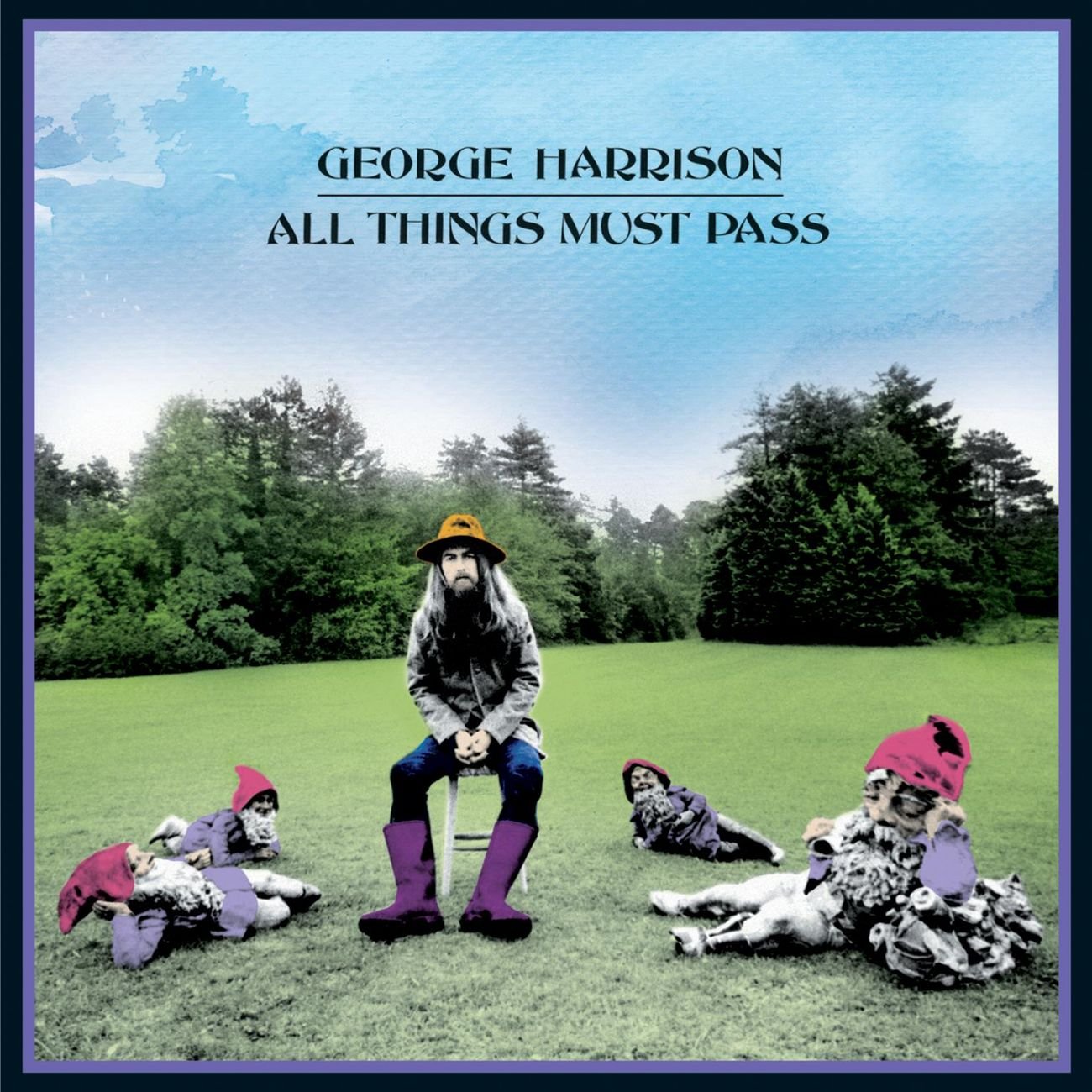
Album #153: George Harrison - All Things Must Pass


George Harrison
All Things Must Pass (1970)

It's rather telling that on his first solo album after leaving the Beatles, George Harrison had enough material for a triple album release (and, allegedly, enough unissued material to fill another double album). For so many years the 'junior' Beatle, Harrison had seen his attempts to include more of his own compositions on Beatles albums come to nought, ignored by the mighty egos of Lennon and McCartney. Even though the odd song had managed to sneak through the net, Harrison had seen other, equally good, songs passed over by the rest of the Beatles.

So it was that after the band's split, Harrison spent five months at Apple Studios recording some of the 'hundreds' of songs he had accumulated in the past five or six years, songs that were never good enough for The Beatles or that Harrison had been too nervous to introduce, for fear of a cutting putdown. The result was the sprawling All Things Must Pass, three LPs of some of the finest material released by a solo Beatle (in fact, some consider this to be the definitive solo Beatles recording). With a crack team of guest musicians (including Eric Clapton, Ringo Starr, the members of Badfinger, Phil Collins, Alan White and Billy Preston), and with the assistance of producer extraordinaire Phil Spector, Harrison painstakingly put the album together.

It's the subject of this review as I've never actually heard the whole thing, and it's time to see if it lives up to the hype.

The Album

Reviewing a triple album is a huge task. There are so many songs to try and get through that it could end up taking ages. So what I'll do is proceed LP by LP as per the original album release.

The first LP contains most of the album's big hitters. The controversial My Sweet Lord is one - despite shamelessly ripping off He's So Fine, it's still a signature tune, with Harrison's spiritual cries backed by a trademark slide guitar motif. It's also one song where Spector's Wall of Sound doesn't threaten to ruin the whole damn song (more of that later). The album's other single - What Is Life - is also here, and it's every bit as good, driven by a rather powerful riff and some rather loud horns. Yet the stars of this LP are the stunning Isn't It A Pity (Version One), the driving, rocking Wah-Wah and the somewhat modern-sounding Let It Down. The latter two are a perfect example of Spector's production technique (which I hate, if I'm honest) - Wah-Wah is almost destroyed by simply being too damn loud at times, meaning that all of the guitar work and horn overdubs mesh into a mess. Thankfully Harrison's terrific vocal saves the song, as does his wonderful slide guitar work. Let It Down, on the other hand, uses the production well; Spector and Harrison only let the choruses explode, with bombastic vocals and horns blasting through some truly cavernous drums. Isn't It A Pity is almost the best song on the album bar none though - essentially a ballad but in the Hey Jude vein, right down to the four minute long outro that echoes the Beatles classic, right down to the "na-na-na-na-na" vocals.

LP2 opens with another contender for song of the album, Beware Of Darkness. Harrison's beautiful slide guitar work is a real highlight, his vocal is tender and vulnerable yet powerful, and the strings that accompany never overpower any of the other instrumentation. It's a brilliant, brilliant tune. There's also the terrific title track, with a terrific spiritual lyric that matter-of-factly deals with the reality of life, and there's again more great slide guitar work. The surprise of LP2 though is Art Of Dying, which is remarkably reminiscent of disco thanks to its drumbeat, yet the echoed vocals and guitar, plus the chord progressions, give the song a real progressive rock edge. It's massively underrated and one of the hidden gems of the album. LP2 does also contain the album's worst 'proper' tracks (that'll make sense soon) - I Dig Love is fucking awful, and Awaiting On You All, while it's a nice throwback to Spector's 60s pop production, has no place on this album, which is a fine testament to a rock craftsman's skills.

Knowing that there was material that Harrison had that wasn't recorded for All Things Must Pass makes the third LP's inclusion baffling. Apple Jam is what it's referred to, and it consists of five impromptu, throwaway jam recordings. It's pointless, fairly banal, self-indulgent tripe; the only thing worth listening to it for is the work of Eric Clapton on guitar, as the axe god lets his hair down and has a bit of a flairy wail. Frankly, the album would not have suffered for its exclusion, and given some of Harrison's shining songwriting on the rest of the record, it's a bit of a surprise that it wasn't excluded, to be honest.

Beyond the songwriting though, this album sees Harrison as a musician truly blossom. Here he moves away from the lead guitarist of The Beatles to a player of touch and refinement, the slide guitar his trademark; while songs like Something displayed his class and skills to the world, on All Things Must Pass we see that his gifts were not in playing blistering lead breaks; rather, his gifts were in textural layers that, like an onion (not a glass one before you smarty pantses chime in), need to all work together.

The Verdict

Is it the best solo Beatles album ever? I guess this is another question the LOAD Project will need to explore. It has to be close though, not just because of its scale but because of the sheer quality of its music. We can only thank The Beatles for the existence of this album (although part of me would love to have heard what they'd have done with songs like Isn't It A Pity and Wah-Wah), because their casual disrespect for Harrison's abilities resulted in all of this material being stockpiled, and then unleashed on the world in one go.

The first two LPs deserve your attention....just don't waste your time with Apple Jam.

In a word? Brilliant.

My rating: 9.1/10

Standout Tracks

Beware of Darkness
Art of Dying
Isn't It A Pity
Let It Down
All Things Must Pass

Monday, 19 May 2014

Album #137: Manic Street Preachers - This Is My Truth Tell Me Yours


Manic Street Preachers
This Is My Truth Tell Me Yours (1998)

Welsh rockers Manic Street Preachers have certainly had an interesting history. Beginning life as a four piece, the band's lyrics were contributed in their early days by rhythm guitarist Richey Edwards, and because of his skills the Manics developed a reputation for politically charged, intelligent songs.

In 1995, however, that all changed; Edwards went missing, never to be found, and the band considered splitting up. However, after six months hiatus, they resolved to carry on, and despite the loss of Edwards were to develop into (for a while at least) one of Britain's biggest bands. With bassist Nicky Wire taking over lyrical duties, the group continued as a threepiece.

1998's This Is My Truth Tell Me Yours is probably the Manics' best known work. Critically and commercially it was a massive success, and that alone makes it worthy of inclusion to the Project. (That, and I haven't listened to the Manics in a very long time.)

The Album

This Is My Truth Tell Me Yours is a collection of Britpop structures and sounds with heavy use of strings and a noticeable arena rock aesthetic. Yet for all those typically commercial flavours, there's an undeniable smartness to many of the tunes. The heavily political lyrics of Richey Edwards have been replaced with a more worldly, mature lyrical approach from Nicky Wire. Consequently, the album very much presents as the sound of a band who are all grown up.

The word 'sprawling' can be used to describe the album's first two tracks, The Everlasting and If You Tolerate This Your Children Will Be Next. Sweeping strings, pleasant if occasionally morose melodies, and the great vocal of James Dean Bradfield tie the two together. If You Tolerate This is one of the standouts - a tune written about Welsh volunteers in the Spanish Civil War, its straightforward phased guitar riff swaps places with more grand strings and keyboards throughout the tune, while managing to keep a stadium singalong quality. You're Tender and You're Tired follows along the same lines, with a grand chorus and plenty of atmospheric production. The most Britpop tune on the album is Ready For Dreaming, right down to the stadium chorus and the Alan White drumbeat (that's Alan White of Oasis, not Alan White of Yes, by the way.)

There are also some tunes that show a greater range of sonic approaches. You Stole The Sun From My Heart creates a point of difference from the string-heavy Britpop aesthetic, forgoing the strings for guitars (and lots of them) - the chorus is a real singalong effort, while the riffs call to mind the likes of Supergrass and Blur; Tsunami is a great little tune, deriving influences from Indian music (it even features a tabla and sitar parts); Nobody Loved You melds a sizzling guitar riff with the oh-so-grungy superquiet verse/SUPERLOUD CHORUS structure, and even sees Bradfield hit some croaky falsetto; and the brilliant Be Natural fuses progressive elements with a Tears For Fears-style 80s powerpop aesthetic, thanks to the heavy reverb throughout on both instruments and bass.

As musicians the three are decent; Bradfield is a fine vocalist and a more than capable guitarist, especially when he's allowed to play nifty little solos, while Wire and drummer Sean Moore are solid players. The Manics are a prime example of the whole being greater than the sum of its parts, because as a threepiece they create a fantastic sound.

The Verdict

There's plenty to like about This Is My Truth Tell Me Yours. It should be played to bands like Coldplay as an example of how bands can make smart, emotionally investing music that still has a 'commercial' aspect. While it sometimes skirts the line of melodrama, there's enough musical difference to pull away from that edge.

My only criticism is the sad lack of Welsh lyrics. Looks like I'll need to rely on the Super Furry Animals for that.

My rating: 7.7/10

Standout Tracks

Be Natural
You Stole The Sun From My Heart
If You Tolerate This Your Children Will Be Next


Sunday, 18 May 2014

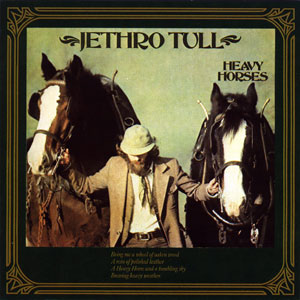
Album #136: Jethro Tull - Heavy Horses


Jethro Tull
Heavy Horses (1978)

Jethro Tull certainly cannot be accused of being boring or uncreative. Over their fortysomething year history, the band has recorded albums in a significant number of styles - blues, progressive rock, folk, AOR, jazz....hell, even metal (don't believe me? Go and find out how many Grammies Tull won.) Of course, they've probably had just as many lineup changes, though there have been two absolute mainstays - vocalist/flautist/multiotherinstrumentalist Ian Anderson and guitarist Martin Barre.

Throughout the 1970s, though, the band was creatively and commercially at their absolute peak. This decade had the band's 'classic' lineups, delineated only by who was in the rhythm section (besides Anderson and Barre, pianist/organist John Evan was the only other mainstay). By the mid 1970s, the band's rhythm section was the extraordinary Barriemore Barlow on drums, and John Glascock on bass - the latter described by Deep Purple's Ritchie Blackmore as 'the finest bass player in rock'. Despite all this technical mastery, Anderson (as songwriter) decided to embark on a trilogy of folk-based albums. 

1978's Heavy Horses was the second of these...and arguably, it's the last truly great Tull album.

The Album

The key to Heavy Horses' success is just how tight the band sounds throughout the entire album. Off-time rhythmic changes, unusual time signatures and seemingly unpredictable accents by Barlow are made to seem second nature by the band. It's the sound of a band incredibly familiar with one another. Adding to this synergy are some fine Anderson compositions, played by a collective of very, very talented musicians. The album is very folky in style - lots of mandolin, acoustic guitar, folk-style lyrics and strings - yet at times retains a harder, gutsier edge.

The title track is, simply, bloody fantastic. A snappy, tight intro leads to a first verse that is stunning - Anderson's deep, rumbling voice accompanied by a beautiful piano section, played by Evan. Later verses see acoustic guitars and strings take more prominence, and Evan's contributions are limited to background texture, but that first verse is the best one in my view. From there it's another six minutes of shifting dynamics (a rather jarring, fast tempo change midway through works fantastically, before shifting back again), super work from Barre and Barlow, and lyrics about big bloody horses. Similarly fantastic (personally I preferred it slightly) was No Lullaby, which is far removed from folk. Barre's heavy opening riff and solo signal that this is going to be a harder rock song, and then the rhythm section takes over. Glascock makes a simple repeated note sound positively marauding, creating a slow groove that Barlow does his best to fuck up completely by playing some brilliant fills. Strings and flute support each other in the verses, Barre whips out some more deft soloing, and Barlow later decides that sick fills are not enough, he's going to play his ride cymbal at 19000 hits per second.

Those two tracks are by far the longest at over seven minutes each; the rest of the album's material is of a more 'standard' pop length. Of those tracks, the pick of the bunch are the closer Weathercock, the opener ...And The Mouse Police Never Sleeps and the Glascock lead bass extravaganza Journeyman. Weathercock does feature some pretty dodgy lyrics (about a weathercock, would you believe) though they do fit the folky theme; fortunately, the musical arrangement is amazing; Anderson plays a brilliant flute solo, Barre tries to outdo him with a blistering lead break, Barlow loosens up with some ballsy drum fill work and Glascock goes along for the ride. The song basically ends with everyone trying to outdo each other. Mouse Police is tight (Barlow and Glascock especially are glued together) with a decent organ solo from Evan, and Journeyman is built around Glascock; his lead bassline provides the bedrock for the rest of the band to build on, and build they do. It's one of the better sets of lyrics (being rather descriptive of office slavery) and features more solid work from Barre and Anderson.

There aren't really weaknesses, as such. The remaining songs are solid, but not as good as their album compadres. Acres Wild is pure English folk, as is Moths; both are pleasant but hardly exciting. Rover has some decent moments, namely its whippy tempo, snappy guitar and flute work, but is little more than charming. One Brown Mouse is a good showcase for the keyboard work of David Palmer, and there's more great stuff from Glascock on this track, but despite some promise it just never quite seems to come together.

The Verdict

It may not be their finest album ever, but Heavy Horses represents the wider Jethro Tull sound well. Although it may be very folk-influenced, there are more than enough moments that are essentially classic Tull - Anderson's flute fluttering away, Barre providing deft flourishes, while the rhythm section provide a super backdrop.

It's a pity that circumstances dictated that this was the last full album of this lineup - Glascock died of a congenital heart defect in 1979, and Barlow left soon after, devastated at the loss of his friend. It does however serve as a fitting epitaph, even if it wasn't meant to be that way, because Jethro Tull were never quite the same after this.

My rating: 8.0/10

Standout Tracks

No Lullaby
Heavy Horses
Journeyman
Weathercock

Saturday, 10 May 2014

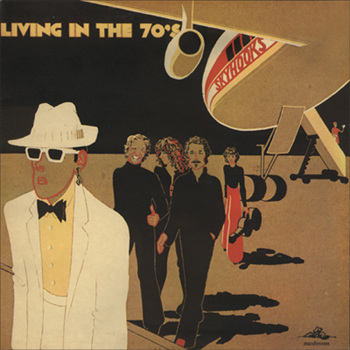
Album #129: Skyhooks - Living In The 70s


Skyhooks
Living In The 70's (1974)

People often forget, or don't realise, just how brightly Skyhooks' star burned in the mid 1970s. Their first two albums were chart toppers, they had a bevy of successful singles, and were a highly regarded live act (even if they had some detractors, who accused them of being little more than Kiss clones with their over-the-top theatrics). Yet like so many bands of the 70s, as quickly as the star burned, it faded away. Key members left, and the band were eventually put out of their misery. 

However, it's still worth celebrating their successes, as well as their importance to the Australian music scene. Their debut, Living In The 70's, was number 1 for sixteen weeks and is still regarded as one of Australia's best albums. Despite casually enjoying Skyhooks, I've never heard an album, and although I really wanted to do Guilty Until Proven Insane (because of Women In Uniform, no other reason) I thought I should explore a legendary album to evaluate its legendariness.

The Album

The genre label is 'glam rock' but Skyhooks' sound doesn't have the traditional glam influences. Instead, for the most part, it's pretty good guitar pop, albeit with some pretty impressive instrumental work from guitarists Red Symons (yep, the same one that was on Red Faces for many years) and Bob 'Bongo' Starkie, and the impressive Greg Macainsh on bass. Charismatic frontman Shirley Strachan also steals the show at times with some top drawer vocal performances, and his charisma and charm comes through in some of his vocals.

Surprisingly, while the album's singles (and best known tracks) are really damn good, there's a few cuts that come mighty close to trumping them. Living In The 70s and Horror Movie are the two big singles, and they're both solid cuts. The former is a straightforward guitar pop tune with a decent walking bassline, and lyrics that paint the experience of living in the 70s as rather disorienting, while the latter utilises two sparse intertwined guitar riffs, some spooky synth effects and some decidedly evil backing vocals to create an unsettling vibe (which suits the title and the lyrics). It ends up being great satire about the growing violence of TV viewing, extending out to the most horrific thing being the nightly news broadcasts.

You Just Like Me 'Cos I'm Good In Bed is famous as the first song played on Double J, and its whippy tempo and catchy riff (which is matched by Strachan's vocal melody) mark it as a fun, easy to listen tune, Balwyn Calling is a fantastic guitar pop/rock track with elements of 50s rock and roll, and some clever double entendre lyrics about the ancient art of picking up chicks in the suburbs, while Toorak Cowboy is, for all intents and purposes, a country song about Melbourne's gay scene - Strachan's vocal twang, the oh-so-country bassline and the guitar licks provide the sonic basis, while the lyrics deal with the 70s gay nightlife in a mostly respectful way. Red Symons' songwriting contribution, Smut, is also an interesting tune; Symons delivers most of the lead vocals himself and he's okay, though he's no Strachan (and it's noticeable when Strachan takes some lead parts on the song himself), the choruses are all harmonies and pretty guitars a la 10cc, while the lyrics appear to be about a man who enjoys porno theatres, until the last verse reveals that maybe, just maybe, it's not porno theatres he's relieving himself at.....

The other thing that made Skyhooks stand out was the use of local references. Being a Melbourne band, those references were to Melbourne locations (Balwyn, Toorak, Carlton), but at least an Australian band was revelling in its Australianness, not trying to hide it in order to be cool or hip. To their credit, when used here, those references don't feel shoehorned in; they feel like (and probably are) accurate representations of those locations at the time. Extra credit must also go to Macainsh, who wrote all the songs (save Smut) on the album and shows an ear for crafty pop.

The Verdict

I enjoyed Living In The 70s, and don't get me wrong, it's a really good album...but I'm not sure that it quite lives up to all the hype. I was expecting to be blown away...maybe I was expecting too much. 

Should you check it out? Yes, absolutely, because it is really enjoyable, and it's guitar pop from a time when 'pop' music could still be musically interesting and filled with great musicianship. It also doesn't have much in the way of crap filler; the album tracks are mostly rather good, and a couple almost on par with the singles. 

It's just not everything that its reputation describes.

My rating: 7.7/10

Standout Tracks

Balwyn Calling
Horror Movie
You Just Like Me 'Cos I'm Good In Bed

Saturday, 3 May 2014

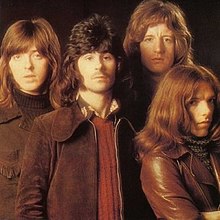
Album #122: Badfinger - Straight Up


Badfinger
Straight Up (1972)

By rights, Badfinger should have been one of the biggest, and richest, bands on the planet in the 1970s. Shepherded through their early career by Paul McCartney, and possessing the influence of The Beatles in their music, the group produced several huge singles, particularly the McCartney-penned Come and Get It. Sadly, all the talent and pop magic would ultimately go unfulfilled, as the band became destitute despite their chart success; the victims of an unscrupulous, 'soulless bastard' of a businessman named Stan Polley, who ripped the band off of well over a quarter of a million dollars while ensuring the band received very little money from their success.

Tragedy continued to befall Badfinger; guitarist Pete Ham, his mental state shredded thanks to the band's financial dire straights, took his own life in his garage in 1975; bass player Tom Evans followed suit in 1983 after an argument with fellow (and at that time, former) bandmate Joey Molland over money. The study of Badfinger's history really is the perfect cautionary tale to all musicians who are breaking into the industry, even today.

Thankfully, their music still exists as a testament to the band's not fully fulfilled promise. Straight Up was their third album, and despite being a commercial success it was criticised heavily by some critics for the 'poor' production of Todd Rundgren (George Harrison also produced a few tracks on the album, but he avoided criticism). 

The Album

The term 'power-pop' has been coined to describe a sound like Badfinger's on Straight Up - lots of piano, organ and guitars, heavily tracked and luscious vocal harmonies and an abundance of pop hooks, wonderful melodies and standard vocal topics (love and all its related catastrophes). Those vocal harmonies are only possible because Ham, Evans and Molland are all very good vocalists, and all take lead vocal duties at times on this album (generally on songs they've written).

The album's two main singles are among the finest pop songs of the decade. Baby Blue is built around simple chords and an arpeggiated riff, with a heartbreaking, touching lyric penned by Pete Ham. Ham also delivers a stunning lead vocal, full of emotion and power, with support from Evans in the harmonies. The bridge in particular, where Ham is pleading "what can I do/what can I say?" is remarkably affecting. Day After Day is also a love song, though not quite as powerful, being more of the brooding variety. Also written by Ham, it's heavily overdubbed by producer George Harrison (who also contributes a fine slide guitar solo on the track; when you listen to it and compare it with Harrison's slide guitar parts on All Things Must Pass, or even his appearance on John Lennon's How Do You Sleep?, you can certainly tell it's a Harrison special). Even so, Ham's lead vocal stands out strongly, carrying a reflective, hopeful quality.

There's some other decent pop tracks on the album though that indicate Badfinger were a little more than just a singles band. Opener Take It All is classic power-pop, piano driven with Hammond organ support, and a throaty lead vocal from Ham; Tom Evans' Money weaves in some country blues influences through the main guitar lick, and has a great dual lead vocal from Evans and Ham; Name Of The Game is immense in terms of the harmony backing vocals, which have been overdubbed about a hundred times; its piano and acoustic guitar instrumentation mark it as an early progenitor of the power ballad, and it's a great song (apart from Ham's lead vocal being drowned out by the backing vocals at times, which is a major production mistake in my view.)

There's more bluespop with Suitcase, where the licks are British blues and the vocal is gutsy, while Sometimes acts as a throwback to the early/mid 60s guitar pop sound of The Beatles, featuring a catchy chorus and a tempo perfect for boogieing. Most of the great songs though are written by Ham; Evans and Molland do contribute songs here, but they're not great (Money aside), and Molland's songs in particular (Sweet Tuesday Morning and Flying) are the weakest on the album; still 'pop' songs, but not as catchy, and further hindered by Molland's comparatively weak vocal when compared to the much more talented Ham and Evans.

The Verdict

For giving us Baby Blue and Day After Day, Straight Up is of great value. Delving deeper into the album though reveals that, indeed, Badfinger were crafters of fine pop with catchy hooks and beautiful harmonies. It's worth checking out.

My rating: 7.4/10

Standout Tracks

Baby Blue
Money
Day After Day

Wednesday, 30 April 2014

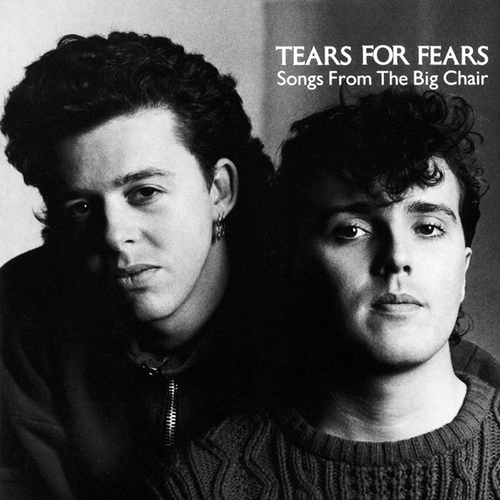
Album #120: Tears for Fears - Songs from the Big Chair


Tears For Fears
Songs From The Big Chair (1985)

After the monstrosity that was Here Come The Drums the other day, I was forced to listen to Tears For Fears' classic track Head Over Heels, to wipe the heinous memory of Rogue Traders from my mind.

Upon completing my listen, I realised that I really, really wanted to review a Tears For Fears album. Not only because they're a great band (with the distinction of having their first three albums chart massively in Britain) but because I've always felt that they've not received all the credit they deserve, being overshadowed by other pop artists. Despite me trying to steer away from the obvious sometimes, I felt there was no better album to choose than the one that is considered their defining album, Songs From The Big Chair.

My main question was a bit like when I reviewed Icehouse though - is it just singles, or is there something more to Tears For Fears?

The Album

Unlike Icehouse, there's something more. The band's lush arrangements and production, utilising a standard 80s blend of guitars, bass, drums and synths, are key features not just of the singles but of the album tracks also. Additionally, it's the way that the band fuse together all those swirly layers of synthesiser and guitar that give the songs a particular personality. The hero of the album though is bandleader and chief songwriter Roland Orzabal. It would do him a disservice to say he's just a pop songwriter - sure, he penned his share of great hooks on this album - but there's also nuance, feeling and craft present in his work here....and not just on the big songs.

Those three big songs though are absolute monsters, and all are deservedly thought of as some of the most instantly recognisable from the 80s. Shout is a sprawling, synth/bass driven ode to protest, with a jangly guitar lick playing a supporting role throughout. Orzabal's lead vocal is splendid, sending tingles down the spine at times, and there's even a fairly simple, yet powerful, guitar solo at the song's conclusion. Everybody Wants To Rule The World is sublime pop; all instruments work together and, at times, take the lead (the verses are basically synth and bass, while the guitars play prominence during the choruses...and there's even a couple of guitar solos to boot). The song is brilliantly crafted (witness the guitar-driven bridge in the mid-section which breaks the song up beautifully) and Curt Smith's vocal of some more quality Orzabal lyrics about the powerhungry is terrific. Head Over Heels is a superb pop love song, though (and this may be controversial) it's my least favourite of the three. Synths again drive the song, which interestingly falls in the middle of a kind of sonata (sandwiched by the song Broken twice, albeit with the second version being live and abbreviated).

Outside of those three big songs (and accompanying sonata tune) there's only four other tracks on the album, and they are a bit of a mixed bag. The tender, touching ballad I Believe (written by Orzabal originally for Soft Machine drummer, and 60s prog legend, Robert Wyatt) is a brilliant, brilliant tune. Lush piano fills the soundscape, supported by flourishes of saxophone, while Orzabal's vocals alternate between a soft, heartfelt croon and, later, more powerful acclamations. Listen is a pretty tune with a very hooky melody, with anthemic synth strings, wind chimes and opera vocals - in fact, it has many hallmarks of ELO-style pop. Unfortunately, it might be pretty (and Curt Smith, again, does a great job on lead vocal) but it really meanders around, not going anywhere. The Working Hour overdoes the sax solos horribly (funny sidenote- the man providing the sax solos on the album, Will Gregory, is now one half of the electronic duo Goldfrapp) but there's enough of the lavish Tears For Fears musical style present to, again, make the song a decent listen. Lastly, Mother's Talk, which was a single from the album also, is nowhere near the same class as the other monstrously successful songs. Yes, its mountainous-sounding drums rumble with pure power, and the synthbass line is pretty damn cool, but there's no hook to speak of and because there's no hook to attach to, this pop song ends up....well, not very poppy at all. It's the only song on Songs From The Big Chair I didn't like at all.

The Verdict

Songs From The Big Chair is surprisingly good. Those classic songs help, of course; they'd be worth stars on their own; but even some of the album tunes have that earcatching Tears For Fears trademark sound. It'd be a great driving album for when you're touring through boring country, because there's plenty of interest going on in each soundscape.

I'd recommend it, especially if you already know/like some (or all) of the band's big hits.

My rating: ****

Standout Tracks

Shout
Everybody Wants To Rule The World
I Believe
Head Over Heels

Saturday, 26 April 2014

Album #114: The Move - Message From The Country


The Move
Message From The Country (1971)

By 1970, The Move were essentially finished as a band. A number of lineup changes had seen the group left as a three piece, with only multi-instrumentalist Roy Wood and drummer Bev Bevan left from the original lineup; they had been joined by former Idle Race guitarist Jeff Lynne on the band's previous album Looking On. It wasn't the lineup changes that ensured The Move were a dead band walking; it was Wood and Lynne's exploration of the sounds and concepts that would result in the birth of Electric Light Orchestra. They were keen to leave The Move behind and explore this new direction.

Message From The Country was to be the band's final album. Recorded at the same time as some of the tracks that would end up on ELO's debut album, the group differentiated between the two by keeping any songs with cellos on the ELO side of the ledger, while songs featuring Roy Wood's array of saxophones would end up on the Move side. Nevertheless, some of the compositions and touches on this album are extremely similar to ELO's early work (both with and without Wood).

The Album

The album hits the ground running with the somewhat psychedelic, rumbling rocker Message From The Country. The extremely loud and heavy bass is highly prominent, and turns out to be an overarching theme of the whole album, though unlike other songs the drums don't match the bass and are a bit hollow. Lynne's lead vocal is supported by the heavily overdubbed vocal harmonies that would later become an ELO trademark. Ella James has more in common with the earlier Move sound - a harder edged, pop rock sound with a ferocious vocal from Wood, as does the thoroughly decent Until Your Mama's Gone, which combines throughout its five minutes a bluesy feel, created by buzzing guitars and saxophones and driven by the rhythm section, with a ragtime piano solo and an extended guitar solo.

However, the progressive direction that Wood had largely shifted the band towards a few years earlier is the dominant musical paradigm here. Though surprisingly, the album's most 'pop' moments come from Lynne, not Wood, whose solo contributions are fairly traditional. From Lynne, there's the solid No Time, an acoustic ballad with a complex arrangement featuring slide guitar, flutes and a double-tracked harmony vocal; The Minister, a sublime rock tune with a driving rhythm, a riff that could have been stolen via time machine from the 80s New Wave movement and brilliant vocal work from Lynne and Wood; and the proggy, ELO-lite The Words of Aaron, the highlight of which has to be Wood's brilliant bassline.

Wood's only radically different song is the disappointing It Wasn't My Idea To Dance, where his choir of different saxophones dominates the soundscape and the last two minutes are a freeform jam, where it seems all three musicians decided to play whatever they felt like. He and Lynne also cowrote the album closer My Marge, a tribute to the musical sound of the 30s and 40s; it's a vaudeville tune (just listen to Lynne's ye olde vocal stylings) and it's comfortably the shittiest song on the record, if not on any Move record.

As for Bevan, he may never have had a songwriting credit after this ever again, and he certainly was no singer, but he contributes to two of the most interesting tracks on the album - one as songwriter, the other as vocalist. As songwriter, he penned the Elvis Presley pastiche Don't Mess Me Up, which is an incredibly accurate likeness - it has everything that characterised Presley's music (a multitracked Wood and Lynne acting as Presley's backing singers The Jordanaires, a good Elvis impersonation from Wood and Lynne's shuffling, simple guitar solo). As vocalist, he takes the lead on Wood's superb Ben Crawley Steel Company, which is a pure country song, made all the more obvious by Bevan's incredibly deep, Johnny Cash-like vocal and Wood's lyrics which tell a typical country music tale of struggle, heartache and brutal revenge.

Interestingly, the five songs that later accompanied the re-release of the album (all singles and B-sides) are better than a lot of material that made it onto Message From The Country. Even to the end, The Move were quality popsters, even if they didn't want to be.

The Verdict

Perhaps it's my love of ELO, but I happen to believe that The Move are one of England's most underrated 60s/70s bands. Message From The Country is a good album that acts as a reminder of where the band had been, where they were at the time and where the members would be in the future. While Wood and ELO didn't really fit (he left during the recording sessions for the band's second album) his influence on the ELO sound is undeniable, and it's here on this album that the blueprint was firmly laid down.

I freely admit this album isn't for everyone but people who appreciate the classic British early prog sound will like it.

My rating: *** and a half

Standout Tracks

Message From The Country
The Minister
Ben Crawley Steel Company

Friday, 25 April 2014

Album #113: Billy Joel - Piano Man


Billy Joel
Piano Man (1973)

Billy Joel has a more troubled background as a musician (and person) than perhaps many are aware of. Serving time in a few bands before going solo at the start of the 1970s, he was signed to a rather restrictive ten-album deal to a label called Family Productions, releasing his debut, the little known Cold Spring Harbor in 1971. Unfortunately for Joel, this first album was a mess - label boss Artie Ripp had screwed up the mastering, resulting in the songs being played too fast and making Joel sound "like a Chipmunk". Worse than that, the terms of Joel's deal meant he had no ownership over any of his master tapes, and he had no publishing rights to any song he might write in the future.

Thankfully, Columbia Records were able to negotiate (for a rather hefty royalty deal) a release for Joel, and he responded by producing Piano Man, his second album and a quite introspective release. It was to launch Joel as a star (even if it hardly set the charts on fire), and featured two of his defining songs - the title track being one of them.

The Album

While most of the songs on Piano Man are straightforward piano-based rock tunes, there are definite country and gospel influences throughout also. Lyrically, the album explores an array of personal themes, from tales of Joel's early life in the New York suburbs to the trials and tribulations of his time spent as a piano bar entertainer, playing under a false name while his label contract was being sorted out; and, of course, there's the obligatory love songs written for his then girlfriend (one of which was a Valentine's Day gift from the then-broke singer).

Everybody goes on about the album's title track, and it's one of those ubiquitous drunken singalong songs that people only ever seem to know, or want to hear, when they're pissed. While it's been played TO DEATH over the forty years of its life so far, it's a great, heartfelt 'story' tune, with lyrics that describe actual customers at the piano bar that Joel (billed as Bill Martin) played at throughout 1972, just trying to earn a living. That now familiar piano progression, accompanied by mandolin and accordion, and the earworm chorus, are the key to the song's charm. Equally as important a 'signature song' is the album closer Captain Jack, a song I've always loved even though it's overly long and a little wanky. Written about Joel's suburban experiences, it describes the life of a drug-dependent loser who buys drugs from the eponymous drug dealer of the title (a real person, by the way. Arguably the arrangement is the cleverest part of the track - the verses, quiet and understated, represent the flat drudgery of life, the bold, bombastic, quicker choruses detail the purchase and shooting up of heroin and the associated high, and finally the instrumental bridge that links chorus to verse represents the comedown.

Yet the album's highlight for mine is the opener, Travelin' Prayer.  A rocking bluegrass/country tune that cracks along at a fearsome pace, it features some outstanding honky-tonk piano playing by Joel, and is the first evidence on the album of his ivory-tickling talent. This is matched by the insanely magical banjo playing of session muso Eric Weissberg (the man who played Dueling Banjos in the movie Deliverance, for those of you who enjoy watching movies where Ned Beatty is gangraped by American backwoodsmen while Burt Reynolds FUCKS SHIT UP). Album track Stop In Nevada is also rather enjoyable; a song about a woman leaving her family to start a new life, it's a punchy tune thanks to Joel's gutsy vocal, some sweeping string arrangements and an attempt to sound massive in the choruses. Touches of slide guitar also add a slight country twang. The string bombast is also seen on the Western-motif laden The Ballad of Billy The Kid, which is not an attempt to be historically accurate, and lyrically isn't great, but the multitude of string overdubs make it sound like something out of a movie soundtrack.

There's a few misses though. Worse Comes To Worst is uninspired pop rock with porn guitar, If I Only Had The Words (To Tell You) is an attempt to be a grand, sprawling piano ballad but ends up being rather a throwaway tune, while Ain't No Crime would be decent if it wasn't aping Elton John's piano rock sound (right down to the flickering organ lines and rock-solid riffage) and if Elton didn't already do it better. Joel's great albums that were truly cohesive works with very little in the way of weak spots was still a few years away, but the potential of the man is certainly here on Piano Man.

The Verdict

Piano Man is a decent, if somewhat inconsistent, album. It's typical of an early work from a long-term legendary artist, in that all the hallmarks that made the artist great are there, but it's obvious that polish is required. As a whole it's not Joel's greatest work but there are enough tunes here to keep you fairly interested from start to finish.

My rating: ***

Standout Tracks

Travelin' Prayer
Piano Man
Captain Jack

Tuesday, 15 April 2014

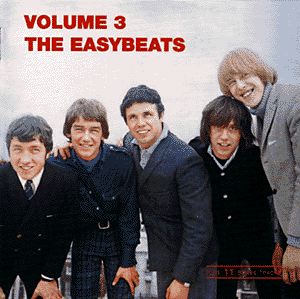
Album #104: The Easybeats - Volume 3


The Easybeats
Volume 3 (1966)

The Easybeats are the prototype Australian rock band. Every pub rock group that followed in their footsteps can be traced back to the British-inspired rock sounds of these five Australian lads (well, two were Dutch, two were English and one was a Scotsman....) Of those lads, two (George Young and Harry Vanda) were to play a critical, pivotal role in the development, production and popularity of some of Australia's biggest acts, including The Angels, John Paul Young and AC/DC (with George being the elder brother of Acca Dacca lynchpins Angus and Malcolm Young), while lead singer Stevie Wright went on to write and perform the sprawling opus Evie.

The group are better known for a string of hits, including She's So Fine, Friday On My Mind, I'll Make You Happy and Sorry. However, such was the group's popularity in Australia, they also released several high-charting albums. Volume 3 was the third of these (I know, shock horror with that name). I'm keen to see if the group had anything outside of the big hits.

The Album

Basically, imagine every cliche of early to mid 60s pop/rock rolled into one neat little package, and you've got Volume 3. It never, ever threatens to be anything more than a bog-standard collection of short pop tunes designed to capitalise on the band's status as teen heartthrobs. I almost feel dirty saying that about such a legendary band, almost as though I'm dismissing them. I don't really want to dismiss them per se, but (at least on Volume 3) if you strip away the singles then there's not really much to get excited about.

Opening track (and well known single) Sorry is by far and away the most outstanding track here. With a chuggy riff that stays in the brain long after the song is finished, and with vocalist Stevie Wright turning in a powerhouse performance, it's definitely a superb bit of pop songcraft. You Said That is influenced by mod sounds, and shows off the group's ability to create lush vocal harmonies, and the plinking one note piano line adds a nice Kinksesque touch. Today features a twangy, solid lead break from guitarist Harry Vanda within a solid pop rock tune, and Say You Want Me is a pleasant little Beatles clone, all vocal harmony and unobtrusive musical arrangement.

Beyond that though is a collection of uninspired, by-the-numbers pop rock that might have been popular in the 1960s, but looking at it today it comes off as tired and bland. What's worse is that, Vanda's guitar playing aside, there isn't anything that threatens to lift these album tracks beyond the mundane - even The Beatles and The Stones had musicianship, vocal brilliance or even clever turns of a lyrical phrase to fall back on. The songs here simply don't have that.

The Verdict

As a singles band, The Easybeats kicked much arse. As an album group, they leave a great deal to be desired, if Volume 3 is any indication. Its biggest crime is that it is, a few tracks aside, utterly boring, and a chore to listen to.

Get Sorry, avoid the rest.

My rating: * and a half

Standout Tracks

Sorry
Today

Tomorrow, a behemoth of a metal album from a kickass Swedish outfit, who have pretty much covered every subgenre of metal during their career.


Sunday, 6 April 2014

Album #96 : Blur - Blur


Blur
Blur (1997)

1997's self titled album marked a turning point for Blur. To that point they had been content to make quintessentially English pop about quintessentially English things - people, places, stereotypes and idioms. Guitarist Graham Coxon, though, was sick of this musical approach. He was developing an interest in American alternative rock and lo-fi sounds, in particular the work of Pavement. Consequently, when he took more of an active role in the band's approach, the group's dynamic changed.

Surprisingly, Damon Albarn, the head of the group, went along for the ride.

The result was this album, which is frankly unlike any Blur release before it. Forget the Kinks style pop explorations of Parklife, because this album sizzles with pure, raucous energy.

The Album

Coxon's love of lo-fi music translates to a number of songs on Blur. These tracks, with their fuzzy guitars, rough mixing and low, hollow-sounding vocals are some of the more interesting cuts on the record, though for fans of Blur's poppy pop, they may be a struggle to listen to. Country Sad Ballad Man is the first, with Albarn's echo-drenched vocals barely heard amongst a backdrop of washy guitar noise that is scarcely melodic. You're So Great is all Coxon, his loud acoustic guitar combined with a heartfelt lo-fi warbled vocal, with a splash of solo electric guitar matching the warbly sound. The crackle to the recording gives it a 'lost' feel, as though it were something from the '40s just recently discovered. Chinese Bombs is short, punchy and dominated by those buzzy guitars.

While those three tracks are defined by their lo-fi quality, other tracks are produced to a higher standard but still feature aggressive, fuzzy guitar and bass. Song 2 was penned as a parody of the grunge aesthetic, with its booming riff and nonsensical, almost incoherently screamed lyrics. It's also rather a catchy tune. I'm Just A Killer For Your Love is more grunge; an almost atonal 'melody' created by bass and guitar (Coxon, for extra effect, adds some wah to the buzzsaw guitar sound), and vocals that sound as though they were recorded through a megaphone. M.O.R is one of the more raucously rocking tracks on the album, even if the melody is a straight rip of David Bowie's Boys Keep Swinging (hence the Bowie/Brian Eno co-songwriting credit), closely followed by Movin' On with its crunchy riffs and dissonant keyboard swells.

However, the album is not just lo-fi adventures and angry alternogrunge. There are nods to three classic English groups of the 60s. Firstly, there's the simply brilliant Beetlebum, with its Beatlesesque harmonies in the chorus; secondly, Look Inside America, despite its title, owes a debt to the guitar pop of The Kinks; and finally, the sprawling Strange News From Another Star takes elements of early Barrett-era Pink Floyd (with some Bowie's Space Oddity thrown in for good measure). All three are cracking tunes.

Then, there's a collection of four tunes that see the band flexing their experimental muscle. On two tracks, Blur go full-on space rock, and while they aren't the best tracks on the album, they are at least sonically intriguing. The best of the two is On Your Own, which is the most un-anthemic singalong anthemic singalong you'll ever hear. Minimal drums and maximum vocals encourage crowd singing....but the spacey synthesiser splashes throughout don't. Meanwhile, Theme From Retro is the sort of song that The Flaming Lips would make their trademark years later. From start to finish it's a real trip - synth strings abound, supported by Hammond organ and Alex James' bass, while Albarn lets fly with some rambling vocal nonsense. It's texturally lush and incredibly interesting.

On the semi-industrial Death of a Party, the group fuse together keyboards with a deeply intoxicating bass line. That industrial feel comes from the occasional crunchy buzz of the guitars. At other times, the song (as was accurately postulated by a writer for Pitchfork) reminds you of the Gorillaz sound that Albarn would explore years later. Lastly, there's the album closer, Essex Dogs, which is a tough, tough listen. It's essentially Coxon wringing a collection of cacophonous sounds out of his Telecaster while Albarn spouts free verse over the top. The band's rhythm section (James and Dave Rowntree) keep time during all this nonsense. Yet you get the sense that this is what the band were aiming for - that it was supposed to be tough to listen to - and if so, it worked. It's an old-school sonic exploration in the space-jammy Pink Floyd mould, so I enjoyed it immensely.

The Verdict

Blur have written more enjoyable, more poppy songs than any of the ones on this album (save maybe Look Inside America). However, in my view, this may well be the band's best work, even if it lacks a unifying artistic theme as can be found on the also quite excellent Parklife. On Blur, the group are deliberately heading away from the sound that made them popular, and doing it with style and panache. 

This album shows that Blur were far more than just popsters. They were mature, adventurous, talented musicians and songcrafters. Additionally, there's barely a bad song on Blur, and it covers a broad spectrum of sounds and influences.

The challenge has certainly been set for tomorrow's Oasis album!

My rating: ****

Standout Tracks

Beetlebum
Strange News From Another Star
You're So Great

Tomorrow, Oasis' 1997 release, and similar extension/departure from the established norm, Be Here Now. Is it really as bloated as people say? Is it truly, in the words of Noel Gallagher, "the sound of five blokes, on coke, in a studio, not giving a fuck"? We'll find out tomorrow!

Friday, 4 April 2014

Album #94 : Placebo - Sleeping With Ghosts


Placebo
Sleeping With Ghosts (2003)

Placebo are a band that I have always been on the verge of getting into, but there's always something that holds me back. I enjoy some of their work, but not enough to dive headfirst in their albums. Bandleader Brian Molko is both their greatest asset and their biggest weakness - he's a great creative talent with a penchant for writing clever lyrics about human frailties, but his nasal whine can be quite grating.

After three very successful albums (albeit with their previous release, Black Market Music, copping a bit of a pasting in the music press) they released Sleeping With Ghosts, their fourth album. It's notable for continuing to be very Placebo in themes, however the dark 'emo' sounds from the first three albums are largely replaced by more accessible tones. There's even some real beauty to be found in here. As an album, it deals generally with the theme of human relationships, and all the ups and downs they present.

The Album

Apart from the driving guitar sounds, Placebo also use synthesisers as a feature instrument on some songs. English Summer Rain, for instance, has touches of electronica in its production and is mainly synth-driven, with a rumbling bassline acting as a bedrock for the tune. On the slow, crawling Something Rotten, the synths mingle effectively with the phased guitars for the most part, and later when the guitars turn to a swollen buzz, there's a spacey synthesiser melody that enhances the guitar track. It's quite clever and doesn't detract from the Placebo blueprint of slightly aggro guitar pop.

That blueprint is, as you'd expect, present on a number of tracks. Instrumental opener Bulletproof Cupid has an aggressively loud guitar sound, and swells like waves on a beach. The Bitter End is largely guitar-driven, with some abrasive riffs playing over another rock-solid rhythm combo. There are also deft touches of synthesiser in the choruses; overall, it's a really cool tune and, unsurprisingly, made for a decent single. Second Sight takes some cues from punk, fusing the gothic Placebo sound with rapid-fire snare fills and speedy, driving guitar riffs. I found it to be one of the more energetic songs on the album.

Surprisingly for a band with Placebo's reputation, a couple of the album's real highlights are actually gentler, more emotional tracks with slower tempos. Sleeping With Ghosts is, in my view, the best song on the album. Taking an optimistic theme (true friends last forever), its piano and acoustic guitars are mellower, as is Molko's vocal. The band have scaled back the energy and focused on producing a powerful, meaningful track to match the lyric. Closing track Centrefolds was a real surprise, featuring a haunting, yet beautiful, piano line (which turns dissonant at times, adding an unsettling element to the tune) and a superb vocal performance from Molko.

The Verdict

Sleeping With Ghosts is a decent album with a few highs and a few lows, with everything else being pretty solid. It doesn't deviate massively from the usual (read - commercially successful and radio-friendly) Placebo sound, but it does show that when the group wants to reduce the intensity, they are still capable of producing terrific tunes.

For non-fans, it's probably a good place to start because it's not as intense a listen as some of those earlier efforts.

My rating: *** and a half

Standout Tracks

The Bitter End
Sleeping With Ghosts
Second Sight

Tomorrow's album is unknown at the time of writing, as it's the 5th of the month which means my wife chooses the album. She hasn't told me yet. If she doesn't, then she misses out and I'll choose something that she would probably select....


Wednesday, 2 April 2014

Album #92 : Dire Straits - Dire Straits


Dire Straits
Dire Straits (1978)

Dire Straits went from humble beginnings (their name was a pretty accurate description of their early financial situation) to one of the biggest bands on the planet in the space of four or five years. In all the hubbub surrounding some of their bigger, more well known releases (i.e. Love Over Gold and Brothers In Arms) their early work is often largely overlooked, the classic, iconic Sultans of Swing notwithstanding.

This album, their self-titled debut, was the result of a chance decision to play a five-track demo to a London DJ the group liked, in the hope of getting his advice on where they could go with their sound. The DJ loved it so much he started playing it (especially Sultans of Swing)...and the rest was history.

The Album

The early Dire Straits sound is one based in blues, folk and country music. This stripped back, laidback style is perfect for the guitar noodlings of Mark Knopfler. Nimble of fingers, he has a remarkable gift for making his guitar playing sound so easy and natural, even when banging out million-note runs. Beyond Knopfler's majestic skills, the musicianship is solidly dependable.

Obviously the biggest and best song on the album is Sultans of Swing. This ode to a crap jazz band Knopfler watched in Ipswich happens to also capture the public's shift in musical mood over the last twenty years; it also captures well the nature of most jazz bands. With a wonderful hook and a magnificent guitar solo at the close, it deserves every ounce of hype it gets. However, it's not the only great cut here. Opener Down To The Waterline uses a sweet instrumental chorus structure, consisting of a lightfingered earcatching picked guitar riff (the axework, as you'd expect, is intricate throughout). The sprawling, rootsy Water of Love, with its slide guitar work and simple arrangement, is another great tune. It features a sometimes insightful, sometimes cliched set of lyrics, delivered in that trademark Knopfler drawl.

Setting Me Up is another track I enjoyed - a rockabilly style guitar riff and elements of country music fuse together in this cleverly humourous tune. It's a sound that they would only sparsely revisit over the rest of their career. This country influence can also be heard on the decent Southbound Again, especially in the guitar riff; it's another jaunty song with a catchy hook. On a different musical note, Wild West End is a fairly placid guitar ballad with folky elements, though again, there's some good lyrics and more of that dexterous guitarwork.

Gradually, the band would shift away from these influences and develop a more rounded sound (by the time they got to Love Over Gold, they were au fait with progressive rock influences and more complicated arrangements), however this album represents perfectly the early sounds that the group was interested in.

The Verdict

It's not their best album (it's also not their worst - that's the followup Communique in my view) but Dire Straits is a fine debut that laid the groundwork for the career that was to follow. It established Knopfler as a songwriter and guitarist of note, and suggested that the band had plenty of promise. 

Although there are a few tracks that are of little interest, for the most part it's a good collection of soft blues, country and folk-tinged rock tunes. Worth checking out, if only to hear the two water-related songs....

My rating: ***

Standout Tracks

Water of Love
Down to the Waterline
Sultans of Swing

Tomorrow, one of the most influential albums of all time.......